I joined a great webinar today hosted by Paragon and the DMA, where one of the topics covered by Hannah Stapleford really stood out to me: Data Hygiene Cadence.
I have to admit, I initially had to look up the word cadence. In simple terms, it means a regular and repeated pattern of activity. Once I had done that, it struck me just how perfectly the term describes where brands need to be when it comes to managing data quality within their customer data environments.
Hannah was absolutely spot on, and she shared a couple of statistics that make this topic impossible to ignore:
- Around 10 percent of the UK population moves home each year
- Around 1 percent of the population sadly dies each year
These figures highlight a fundamental truth about customer data. The moment you collect it, it starts to decay.
You cannot avoid data decay, but you can and should manage it.
Data Accuracy Is the Foundation of Everything
Accurate and up to date data underpins every aspect of customer data management. When data quality slips, the consequences ripple through the entire organisation.
If your data is not accurate or current:
- The value of your data diminishes
- Profiling, segmentation and analysis become skewed
- You no longer see a true picture of your customer base
- Marketing spend is wasted targeting people who have moved or should no longer be contacted
- Brand reputation can be damaged through poor customer experiences
In short, outdated data does not just cost time. It costs money, insight and trust.
The Real Challenge: Maintaining Quality at Scale
The challenge for most brands is not understanding that data quality matters. It is how to maintain it without investing a disproportionate amount of time and budget.
Manual processes simply do not scale. Regular one-off data cleansing exercises help temporarily, but they do not solve the underlying problem. Data continues to decay every day between those clean ups.
So what is the answer?
Embed Data Hygiene into Your Environment
The solution is straightforward in principle, even if it requires commitment to implement.
Data hygiene needs to be embedded into your customer data management environment.
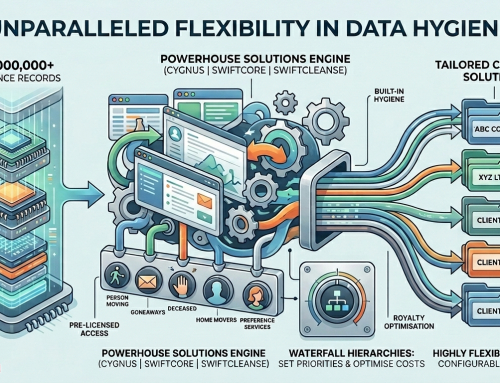
This means building automated data hygiene workflows that operate continuously rather than occasionally. These workflows should:
- Analyse the base quality of customer contact information
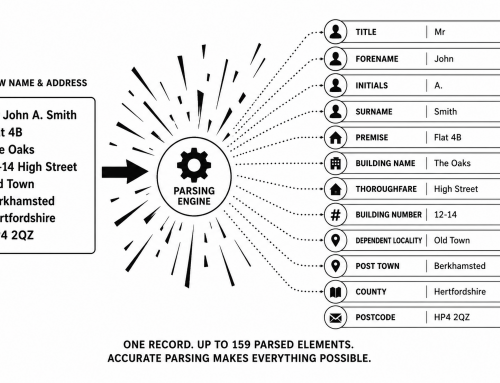
- Identify oddities or inconsistencies in names and addresses
- Validate and standardise email formats
- Remove or intelligently merge duplicate contact records
- Verify and enhance postal addresses
- Identify customers who have moved home
- Suppress records where individuals have sadly passed away
By embedding verification and cleansing solutions directly into your data workflows, typically using API integrations, data quality becomes a living, ongoing process rather than a periodic exercise.
The Payoff: Trust, Efficiency and ROI
When your data hygiene has the right cadence, the benefits are significant:
- You can trust your data
- Marketing campaigns become more relevant and cost effective
- Customer experience improves
- Return on investment increases
- Analysts spend time creating insight, not fixing data
Your data analysts will also thank you for giving them data they can rely on.
Customer data decay is inevitable. Poor data quality is not.
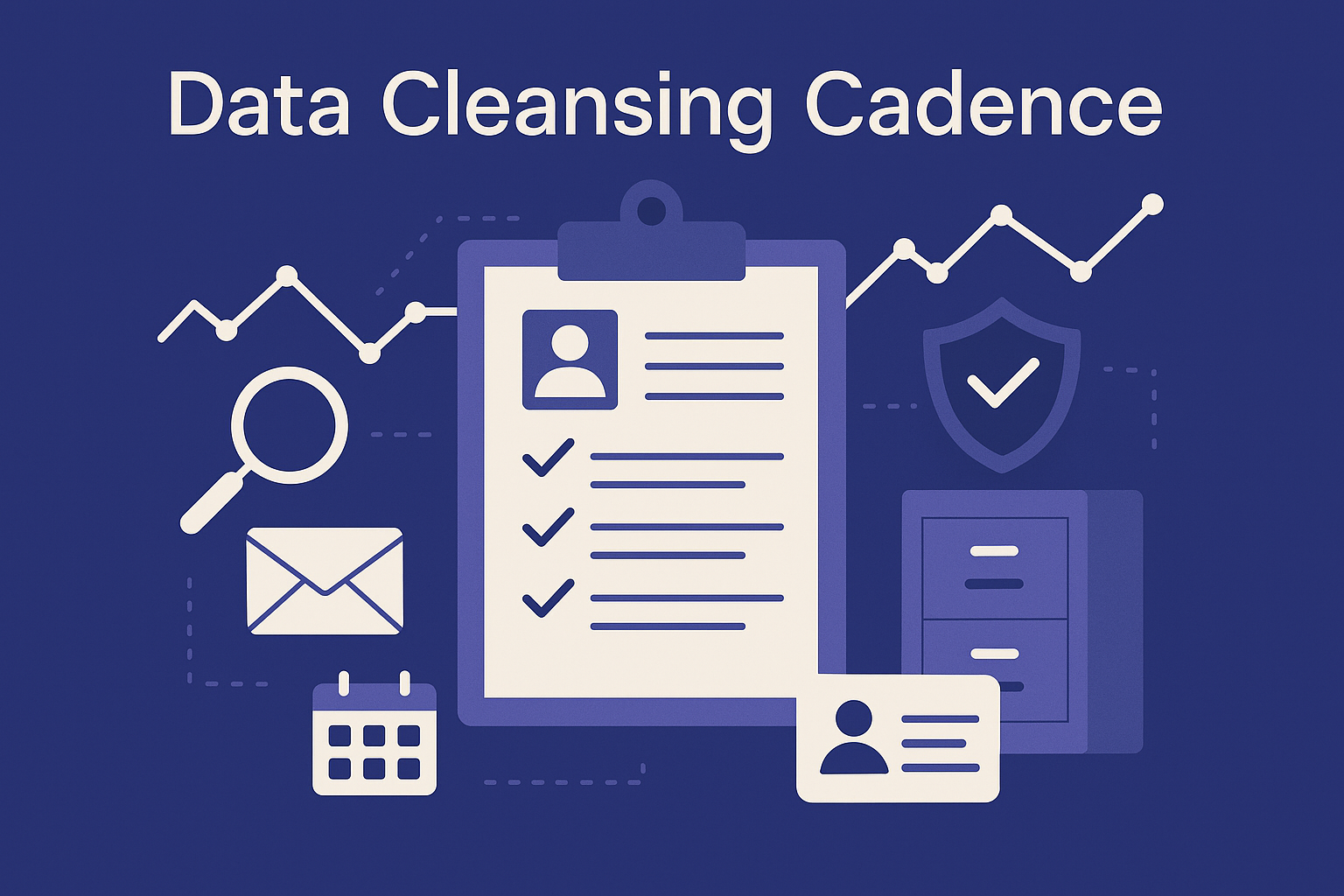
The brands that succeed will be those that move away from ad hoc cleansing and towards a disciplined, automated data cleansing cadence, a regular, repeatable rhythm that keeps customer data accurate, relevant and ready for action.