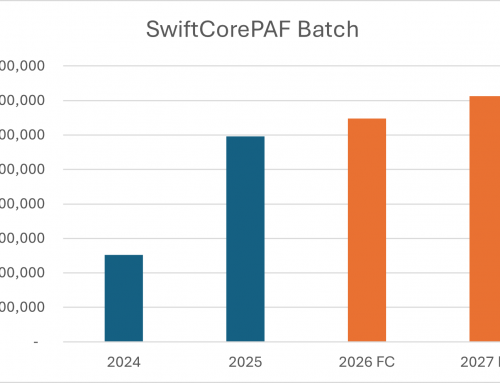
Returned Mail has long been an inconvenient truth in the UK postal ecosystem. Despite its scale, cost and operational drag, it remains largely unmeasured and therefore unmanaged. My recent LinkedIn post highlighted a simple but troubling reality: Royal Mail continues to double handle significant volumes of Return to Sender mail without recording volume, root cause or resulting waste.
This is not solely a Royal Mail issue. It represents a wider industry failure to create effective feedback loops that improve address quality, reduce waste and lower costs for everyone involved. It is time to move this conversation beyond anecdote and towards collective action.
The Silent Cost of Returned Mail
RTS mail remains one of the least transparent operational processes within Royal Mail. Despite ongoing pressure to improve efficiency, reduce waste and maintain the Universal Service Obligation, there is no publicly available data that quantifies the scale of returned mail.
Royal Mail generated 40,000 tonnes of waste in FY2021 to 22, with the majority recycled. It has introduced successful waste reduction initiatives, such as reusable trolley sleeves which cut waste by 10 per cent in a single year. Yet the waste created by undeliverable mail remains largely unmeasured, making targeted intervention impossible.
Operational Pressures Without RTS Reform
Letter volumes have fallen dramatically from 14.3 billion in 2011 to 6.6 billion by 2024. Ofcom approved reforms in 2025 that will reduce second class delivery frequency, but these changes have not yet been fully implemented.
Royal Mail began limited pilots of the new delivery model in July 2025, covering only a small proportion of delivery offices. Full rollout was paused at the end of 2025, with implementation expected to begin during 2026. Updated quality of service targets will not be enforceable until April 2026.
While these reforms are expected to deliver substantial cost savings, they do nothing to address the inefficiency of handling mail that should never have entered the network in the first place.
The Missing Data Problem
The absence of meaningful RTS data ripples through the entire mailing ecosystem.
For Royal Mail, it creates unnecessary handling, higher costs and missed automation opportunities.
For mailers, it results in higher campaign costs, reduced customer engagement, reputational risk and regulatory pressure, particularly in sensitive sectors such as healthcare and finance.
For the environment, it means avoidable emissions, waste and energy consumption.
Without consistent measurement, none of these issues can be tackled effectively.
Industry Conversations Since the LinkedIn Post
Following the original LinkedIn post, several productive conversations have taken place across the industry. A consistent theme has emerged: if Royal Mail cannot yet provide the insight required, then the industry must collaborate to create it.
Some businesses operating in the mailing space already take Returned Mail seriously. They have developed their own information repositories to help clients understand who is receiving mail and when. Valuable knowledge exists across the sector, but it is fragmented and largely hidden.
This presents an opportunity to collaborate rather than duplicate effort.
A Collaborative Call to Action
Rather than waiting for a single organisation to lead, the industry should unite around a shared goal.
We would be happy to help establish an open, industry wide group bringing together mailers, data specialists, producers, agencies and technology providers to:
- Share insight into RTS patterns
- Explore ways to centralise and standardise Returned Mail data
- Benchmark best practice
- Reduce waste and cost across the supply chain
- Strengthen the collective industry voice on RTS issues
If your organisation already tracks Returned Mail, or wants to contribute insight and experience, we would welcome your involvement.
The Bottom Line
The postal industry is undergoing unprecedented change. Waste reduction is a stated priority, yet Returned Mail remains one of the last major blind spots.
By working together to surface, share and act on RTS data, the industry can reduce waste, improve results and support a more sustainable postal system.
Returned Mail is not an inconvenience to be ignored. It is a solvable problem, and now is the time to address it.